
Tsinghua Outpaces US Universities in Producing Al Patents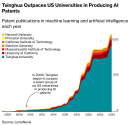



UK’s behavior reminds me of fugly chicks who loudedly express that they fear being violated at frat parties.
This instantly reminded me of this interview of Victor Gao

China is building up the case for Ryukyu independence and war with Japan. Why else would China bring up the Potsdam Declaration and Ryukyu Kingdom?
China is gearing up for war against the US and all its vassals.
Well the Japanese economy is crashing, so let China cook in this case while preparing for the fights ahead. It’s not like warning Japan is the only thing they are doing, they are doing so much more behind the scenes to prepare for the inevitable fight with all these people and to sure victory will occur. Remember the fight isn’t with Japan alone but with the rest of the damn lot of them so China does need time to get ready. Besides the stupid lady leader in Japan loves to say shit but does she have the ability to actually fight China given how poor the economy is and their combat strategy boils down to let the USA do all the work because Japan only has enough arms to last a short time while being vulnerable to a supply blockade from both China and Russia which ensures that Japan is quite frankly screwed. Japan simply isn’t what it was back then, it’s like the literal inverse of that same situation.China warns Japan for the 101st time...it's almost begging Takaichi to take back what she said.
Why does China refuse to do anything of substance. It's embarrassing.
A lot of people in China are getting impatient with the government. I myself am cringing.
The man is doing a wonderful job job of destroying the UK with every single day past, I don’t think China really care about him at all. Really I am surprised the people of the UK is willing to tolerate him for this longUK’s behavior reminds me of fugly chicks who loudedly express that they fear being violated at frat parties.

What did you want China to do? Japan said that a war over Taiwan may draw Japanese military action. So China told them we'll cut their filthy heads off, redirected a significant portion of tourism from Japan to Russia/domestic, banned Japanese seafood and cancelled all Japanese concerts in China. Japan, already in recession, uses a newspaper leak to spread that the PM misspoke and Takaichi admits publically that the question was unplanned and she just answered off the top of her head.I'm just venting in my posts...cause China's response to Japan, of all countries, has been disappointing, put simply, imo. Sorry if it comes across as too negative, don't mind me.

Did Japan do anything of substance?China warns Japan for the 101st time...it's almost begging Takaichi to take back what she said.
Why does China refuse to do anything of substance. It's embarrassing.
A lot of people in China are getting impatient with the government. I myself am cringing.

Main Character syndrome turned into an nonce islandUK’s behavior reminds me of fugly chicks who loudedly express that they fear being violated at frat parties.
They did move some missiles closer to Taiwan and talk about selling mid-range SAMs to the Philippines? Not much of a problem for China but it's what a country like Japan can muster and it does signal they want more trouble.Did Japan do anything of substance?
At the end of the day they said some words.
Russia debt to GDP is 13.3% at end of 2024 which is big difference from 19.7%.Why waste energy with her when she will be booted soon enough when the Japanese economy implodes in the next few months. They are teetering on the edge of the abyss right now.
View attachment 165610View attachment 165611
Russia's external debt-to-GDP ratio falls to a record low
Mon, 17 Nov 2025 14:49:02 +0300]
Moscow – Saba
Russia's external debt-to-GDP ratio fell to 14% in the third quarter of this year, an unprecedented low in recent history, according to calculations by the Russian news agency Sputnik, published on Monday.
Based on calculations using data from the Central Bank and the Russian Federal State Statistics Service (Rosstat), the figure decreased by 0.7 percentage points during the quarter.
The debt-to-GDP ratio has only fallen once before, in the fourth quarter of 2024, when it reached its all-time low of 13.3%.