Let me share some stories from my family.
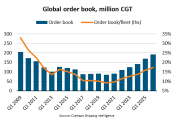
My maternal grandfather used to work at Guangdong Machinery Import & Export Co., Ltd in 80s and 90s. The then-CEO followed the trend and established a small shipyard in 2007. However, the 2008 global financial crisis, followed by the European debt crisis, led to a decade-long slump in the shipbuilding market, resulting in unsold ships and halting production.
They lost about a hundred million at the shipyard, adding to the woes that defrauded of tens of millions of yuan by a South African businessman, the company was in dire straits. As a state-owned enterprise, his pensions couldn't be delayed, but younger employees could only be paid very low base salaries, while the older employees were simply waiting for retirement.
The debt was simply too much. In 2014, the shipyard was incorporated into Guangxin Holdings Group, essentially transferring its burden to it's parent state-owned enterprise. This was followed by a decade-long debt and asset restructuring. During this period, the shipyard was limited by its facilities and could only build ships with a deadweight tonnage of no more than 50,000 tons, mainly producing some marine engineering vessels.
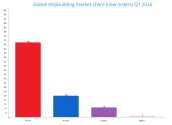
Latest news? Last year, under the impetus of the Guangdong SASAC, GSI and Guangxin Holdings reached a cooperation agreement. Guangxin Holdings funded upgrades, while GSI provided orders. The shipyard is now equipped with an 80,000-ton dry dock and a 30,000-ton semi-dock slip, primarily targeting methanol dual-fuel chemical/product oil tankers and marine engineering vessels. Since the cooperation began, GSI has provided at least 2 MR oil tanker order to this ship yard.
Of course, this has nothing to do with my maternal grandfather; he passed away ten years ago.