Chinese Engine Development

latenlazy

Brigadier
By the 2030s, probably. Remember CFM is working on RISE while RR is working on Ultrafan, both next generation engines that are set to debut in the 2030s. PW is the only one out of the big three with no clear successor.
RISE isn’t actually “superior” technically. It’s just a different tech tree to optimize for a specific parameter airliners care about. Try to not confuse “new” for “more advanced”. Not always the case.
 

tphuang

General
Staff member
Super Moderator
VIP Professional
Registered Member
RISE isn’t actually “superior” technically. It’s just a different tech tree to optimize for a specific parameter airliners care about. Try to not confuse “new” for “more advanced”. Not always the case.
I'm really curious what kind of new tech stack we will see that will get significantly improvement. It seems like in terms of materials, the superalloys are almost fully topped out. So trying to get it run hotter, it's all about how to design it so that the hottest part have some kind of CMC and then parts that can't use CMC, you put some kind of coating and then design a way to try lower temperature a little bit, so you don't get degradation.

Seems like if they can get high entropy or some of kind other superalloy into production ahead Western suppliers, they could leap ahead here.

Also in terms of precision manufacturing, they are able to 3D print some very high end superalloys, which means they are able to produce components that they weren't able to produce before, which can lead to optimizing certain existing designs.

So, this has allowed them to develop this family of engines around AES-100 recently.

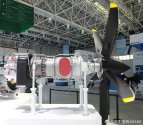
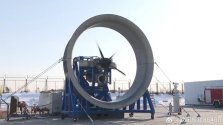
It is also good to see them testing out open rotor design and more hybrid stuff, but the latter isn't powerful enough for commercial airliner.

 

latenlazy

Brigadier
I'm really curious what kind of new tech stack we will see that will get significantly improvement. It seems like in terms of materials, the superalloys are almost fully topped out. So trying to get it run hotter, it's all about how to design it so that the hottest part have some kind of CMC and then parts that can't use CMC, you put some kind of coating and then design a way to try lower temperature a little bit, so you don't get degradation.

Seems like if they can get high entropy or some of kind other superalloy into production ahead Western suppliers, they could leap ahead here.

Also in terms of precision manufacturing, they are able to 3D print some very high end superalloys, which means they are able to produce components that they weren't able to produce before, which can lead to optimizing certain existing designs.

So, this has allowed them to develop this family of engines around AES-100 recently.

It is also good to see them testing out open rotor design and more hybrid stuff, but the latter isn't powerful enough for commercial airliner.
Commercial airliners often don’t start with completely new compressor architectures (aka the engine core) when they’re exploring directions they could go for a new product because those involve much longer development times and introduce much more development risk, but if you tap out on other auxiliary design approaches like geared turbofan or better materials to burn hotter then new compressor design would be the way to go.

Right now it seems that because airliners don’t actually need more thrust performance and are just trying to improve fuel efficiency one of the attractive directions being explored beyond making bigger fans run better (such as higher bypass and propfans) is hybrid electric fan architectures, mainly because the most fuel hungry part of commercial flight is take off where you’re running the engine at max thrust for climb while also at a lower part of the speed envelope (which can pose design optimization challenges for turbine efficiency). In general I would say that if the intent for commercial aviation is to stay at the high subsonic range there probably isn’t much fruit left to pick to drive further fuel efficiency once you’re squeezed gains from increasing bypass ratio to its limits.
 
Last edited:

tphuang

General
Staff member
Super Moderator
VIP Professional
Registered Member
Commercial airliners often don’t start with completely new compressor architectures (aka the engine core) when they’re exploring directions they could go for a new product because those involve much longer development times and introduce much more development risk, but if you tap out on other auxiliary design approaches like geared turbofan or better materials to burn hotter then new compressor design would be the way to go.

Right now it seems that because airliners don’t actually need more thrust performance and are just trying to improve fuel efficiency one of the attractive directions being explored beyond making bigger fans run better (such as higher bypass and propfans) is hybrid electric fan architectures, mainly because the most fuel hungry part of commercial flight is take off where you’re running the engine at max thrust for climb while also at a lower part of the speed envelope (which can pose design optimization challenges for turbine efficiency). In general I would say that if the intent for commercial aviation is to stay at the high subsonic range there probably isn’t much fruit left to pick to drive further fuel efficiency once you’re squeezed gains from increasing bypass ratio to its limits.
Well I think since we are discussing military stuff also, this discussion does apply to whatever next generation higher thrust engine they are developing also.
 
Top