No, this brief statement is riddled with many typical misconceptions about road-mobile ICBMs.
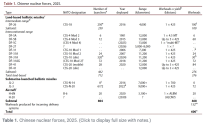
First of all, there aren’t thousands of ICBM TELs; China’s total nuclear arsenal is currently estimated at roughly 600+ warheads, and the number of operational ICBM launchers is far smaller.
Furthermore, China maintains a relatively low-alert nuclear posture, and much of its nuclear force is separated from its warheads during peacetime. If this is still the case today, it makes little sense for TELs to patrol constantly like SSBNs during peacetime.
The key difference between TELs and SSBNs is that SSBN is difficult to locate while submerged, whereas massive TELs traveling on roads will actually increase their chances of being detected through satellite, signals intelligence, and logistics tracking.
More importantly, ICBM TELs roaming around with nuclear warheads during peacetime would create enormous security, command-and-control, and logistical burdens for the PLARF.
View attachment 174774
if you want to patrol roads like SSBN, you’ll need a fairly large convoy to provide security, logistical support, and command and control. This, in turn, makes it a more obvious target.